

British Deaf Association
  • About us
        • About the BDA

          Deaf-led. Community focused.

          Learn more about who we are, what we stand for and how the British Deaf Association is led.

        • Who we are

          Learn about our purpose, values and the direction that guides the BDA.

        • Who we are
          • What we stand for
          • BDA Manifesto
          • Our Work
          • Strategic Vision
        • Leadership & governance

          Meet the people who lead the BDA and see how our organisation is governed and accountable.

        • Leadership & governance
          • Board
          • Management Team
          • Annual Reviews
          • BDA Youth
        • History & heritage

          Explore the BDA’s history and the heritage of the Deaf community

        • History & community
          • History
          • Deaf Museum
  • What we do
        • What we do

          Our work across the UK

          We campaign for equality, champion BSL and deliver projects and services that support Deaf people and communities across the UK.

        • Campaigns, policy and evidence

          We campaign for change and use evidence to improve the rights of Deaf people.

          • Our campaigns
          • Research and consultations
        • Support, projects and programmes

          Find support and explore BDA work taking place across the UK.

          • Advocacy
          • Projects and programmes
        • Information and resources

          Browse trusted BSL information, guidance and resources on topics that matter to Deaf people.

          • BSL and Deaf culture
          • Health and wellbeing
          • History and heritage
        • Celebrating BSL and Deaf culture

          Explore annual initiatives and celebrations that bring our community together.

          • Sign Language Week
          • National BSL Day
          • International Week of Deaf People
          • BSL Poet Laureate
  • News & events
        • Latest news

          Take the Leap for BDA Youth: Skydive Fundraiser 2026 Members of the BDA Youth Committee, BDA staff and supporters are taking to the skies to raise funds… 31 July 2026
          BDA responds to PM’s social care announcement The BDA welcomes the focus on social care and hopes the upcoming Big Conversation on Care will meaningfully… 30 July 2026
          Join our Deafblind Advisory Group The British Deaf Association (BDA) is looking for Deafblind people from across the United Kingdom to help shape… 25 June 2026

          All news →

        • Explore

          More news, organisations and places to discover.

          • British Deaf News
          • World Federation of the Deaf
          • European Union of the Deaf
          • SHARE: The Deaf Visual Archive
          • Sign Language Week
  • Get involved
        • Support us

          Help make a difference

          Support the BDA through donations, fundraising and other ways to give.

          Make a difference Make a donation and help support the BDA’s work with Deaf people and communities across the UK. Fundraise for the BDA Take on a challenge or organise your own fundraiser to help raise money for the BDA.
        • More ways to support
          • In-Memoriam Donations
          • Gifts in Wills
          • How we fundraise
        • Join us

          Work with us or become part of the BDA community.

          Current Job Opportunities See current vacancies and opportunities to work with the BDA. → Become a Member Join the BDA and be part of our community. →

          Stay connected

          Keep up with BDA news, campaigns and opportunities.

          Newsletter Sign up for BDA news, campaigns and important updates. →
  • Training & Consultancy
  • Contact
        • Get in touch

          How can we help?

          For general enquiries, use our online contact form and we’ll help make sure your message reaches the right BDA team.

          Contact us Send us a message using our online form. →
        • Follow us
          • X
          • Facebook
          • Facebook – British Deaf News
          • Instagram
          • LinkedIn
          • YouTube
        • Our offices

          Find your local BDA team

          Find contact details for BDA offices and teams across the UK.

          Head Office London → England Derby → Northern Ireland Belfast → Scotland Glasgow → Wales Cardiff → Deaf Museum Manchester →
  • Membership
  • Safeguarding
  • Donate
    • About us
          • About the BDA

            Deaf-led. Community focused.

            Learn more about who we are, what we stand for and how the British Deaf Association is led.

          • Who we are

            Learn about our purpose, values and the direction that guides the BDA.

          • Who we are
            • What we stand for
            • BDA Manifesto
            • Our Work
            • Strategic Vision
          • Leadership & governance

            Meet the people who lead the BDA and see how our organisation is governed and accountable.

          • Leadership & governance
            • Board
            • Management Team
            • Annual Reviews
            • BDA Youth
          • History & heritage

            Explore the BDA’s history and the heritage of the Deaf community

          • History & community
            • History
            • Deaf Museum
    • What we do
          • What we do

            Our work across the UK

            We campaign for equality, champion BSL and deliver projects and services that support Deaf people and communities across the UK.

          • Campaigns, policy and evidence

            We campaign for change and use evidence to improve the rights of Deaf people.

            • Our campaigns
            • Research and consultations
          • Support, projects and programmes

            Find support and explore BDA work taking place across the UK.

            • Advocacy
            • Projects and programmes
          • Information and resources

            Browse trusted BSL information, guidance and resources on topics that matter to Deaf people.

            • BSL and Deaf culture
            • Health and wellbeing
            • History and heritage
          • Celebrating BSL and Deaf culture

            Explore annual initiatives and celebrations that bring our community together.

            • Sign Language Week
            • National BSL Day
            • International Week of Deaf People
            • BSL Poet Laureate
    • News & events
          • Latest news

            Take the Leap for BDA Youth: Skydive Fundraiser 2026 Members of the BDA Youth Committee, BDA staff and supporters are taking to the skies to raise funds… 31 July 2026
            BDA responds to PM’s social care announcement The BDA welcomes the focus on social care and hopes the upcoming Big Conversation on Care will meaningfully… 30 July 2026
            Join our Deafblind Advisory Group The British Deaf Association (BDA) is looking for Deafblind people from across the United Kingdom to help shape… 25 June 2026

            All news →

          • Explore

            More news, organisations and places to discover.

            • British Deaf News
            • World Federation of the Deaf
            • European Union of the Deaf
            • SHARE: The Deaf Visual Archive
            • Sign Language Week
    • Get involved
          • Support us

            Help make a difference

            Support the BDA through donations, fundraising and other ways to give.

            Make a difference Make a donation and help support the BDA’s work with Deaf people and communities across the UK. Fundraise for the BDA Take on a challenge or organise your own fundraiser to help raise money for the BDA.
          • More ways to support
            • In-Memoriam Donations
            • Gifts in Wills
            • How we fundraise
          • Join us

            Work with us or become part of the BDA community.

            Current Job Opportunities See current vacancies and opportunities to work with the BDA. → Become a Member Join the BDA and be part of our community. →

            Stay connected

            Keep up with BDA news, campaigns and opportunities.

            Newsletter Sign up for BDA news, campaigns and important updates. →
    • Training & Consultancy
    • Contact
          • Get in touch

            How can we help?

            For general enquiries, use our online contact form and we’ll help make sure your message reaches the right BDA team.

            Contact us Send us a message using our online form. →
          • Follow us
            • X
            • Facebook
            • Facebook – British Deaf News
            • Instagram
            • LinkedIn
            • YouTube
          • Our offices

            Find your local BDA team

            Find contact details for BDA offices and teams across the UK.

            Head Office London → England Derby → Northern Ireland Belfast → Scotland Glasgow → Wales Cardiff → Deaf Museum Manchester →
    • Membership
    • Safeguarding
    • Donate

News

10th August 2016

Health – Obsessive Compulsive Disorder (OCD)

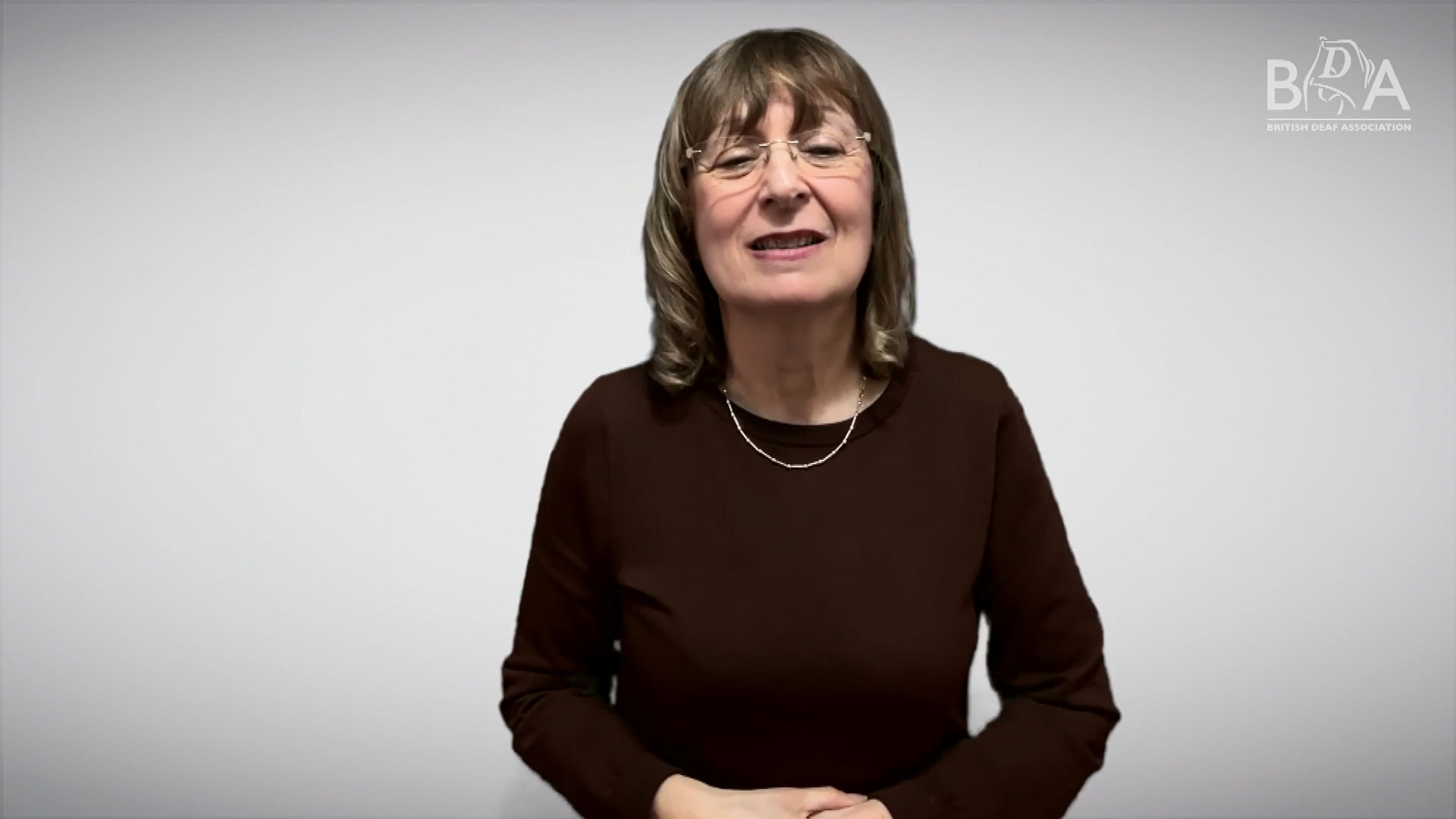
Vimeo Video https://www.vimeo.com/170457907

Obsessive compulsive disorder (OCD) is a mental health condition where a person has obsessive thoughts and compulsive activity.

An obsession is an unwanted and unpleasant thought, image or urge that repeatedly enters a person’s mind, causing feelings of anxiety, disgust or unease.

A compulsion is a repetitive behaviour or mental act that someone feels they need to carry out to try to temporarily relieve the unpleasant feelings brought on by the obsessive thought.

For example, someone with a fear of their house being burgled may feel they need to check all the windows and doors are locked several times before they can leave the house.

OCD symptoms can range from mild to severe. Some people with OCD may spend an hour or so a day engaged in obsessive-compulsive thinking and behaviour, but for others the condition can completely take over their life.

What causes OCD?

It’s not clear exactly what causes OCD, although a number of factors have been suggested.

In some cases the condition may run in families, and may be linked to certain inherited genes that affect the brain’s development.

Brain imaging studies have shown the brains of some people with OCD can be different from the brains of people who do not have the condition.

For example, there may be increased activity in certain areas of the brain, particularly those that deal with strong emotions and the responses to them.

Studies have also shown people with OCD have an imbalance of serotonin in their brain. Serotonin is a chemical the brain uses to transmit information from one brain cell to another.

Who is affected?

It’s estimated around 12 in every 1,000 people in the UK are affected by the condition. This equates to almost 750,000 people.

OCD affects men, women and children. The condition typically first starts to significantly interfere with a person’s life during early adulthood, although problems can develop at any age.

Getting help

People with OCD are often reluctant to seek help because they feel ashamed or embarrassed.

However, if you have OCD, there is nothing to feel ashamed or embarrassed about. It is a long-term health condition like diabetes or asthma, and it is not your fault you have it.

Seeking help is important because it is unlikely your symptoms will improve if left untreated, and they may get worse.

You should visit your GP if you think you may have OCD. Initially, they will probably ask a number of questions about your symptoms and how they affect you.

If your GP suspects OCD, you may need to be referred to a specialist for an assessment and appropriate treatment.

How OCD is treated

With treatment, the outlook for OCD is good. Many people will eventually be cured of their OCD, or their symptoms will at least be reduced enough that they can enjoy a good quality of life.

The main treatments for OCD are:

cognitive behavioural therapy (CBT) – involving a therapy known as graded exposure with response prevention (ERP), which encourages you to face your fear and let the obsessive thoughts occur without “neutralising” them with compulsions

selective serotonin reuptake inhibitors (SSRIs) – this medication can help reduce your symptoms by altering the balance of chemicals in your brain

If these treatments aren’t effective or your condition is particularly severe, you may need to be referred to a specialist mental health service for treatment.
<< Return to Heath and well-being page

Health Scotland
Previous StoryWhat does the BDA mean to you?
Next StoryHealth – Bowel Cancer

Related Articles

  • BDA-Press-Release-12th-April-2023-feat-WEB
    BDA Condemns “life-threatening communication failures” in NHS
    View Details
  • DRP-Scotland-Vet-Workshops-feat-web
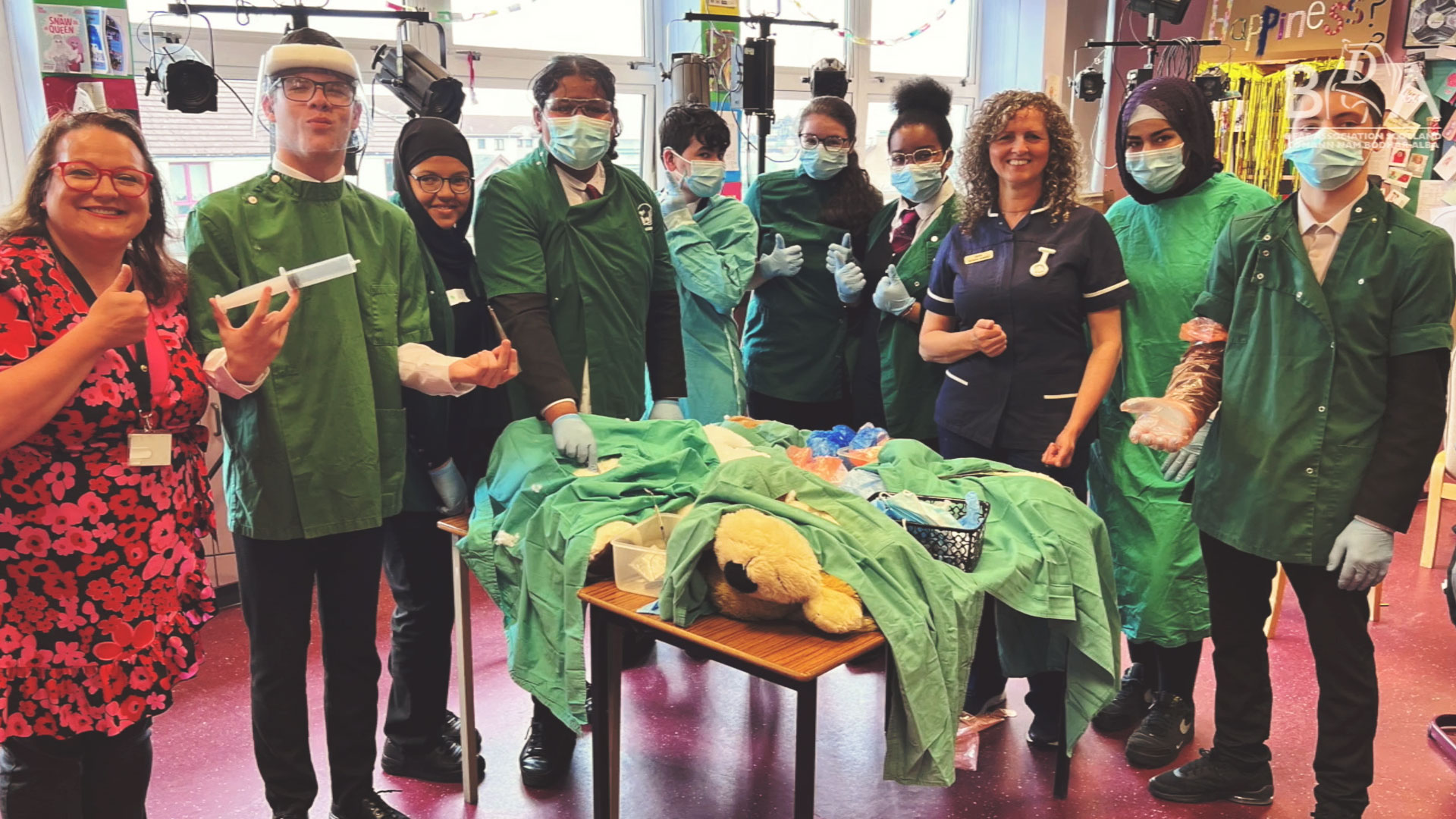
    DRP Scotland: Vet Workshops
    View Details

SEARCH ALL NEWS

NEWS CATEGORIES

All News
England
Northern Ireland
Scotland
Wales

RECENT NEWS

  • BDA-Youth-Skydive-square-web2
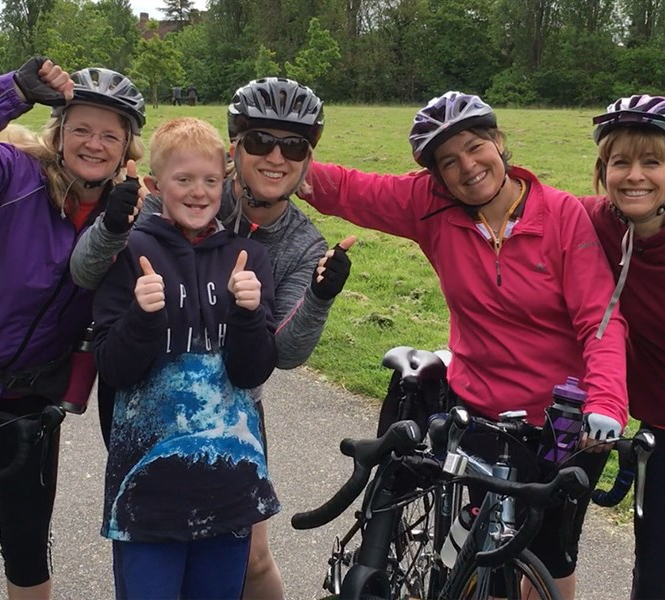
    Take the Leap for BDA Youth: Skydive Fundraiser 2026
  • 500px-10_Downing_Street._MOD_45155532-1134449270
    BDA responds to PM’s social care announcement
  • DB-Advisory-Group-feat-26-web
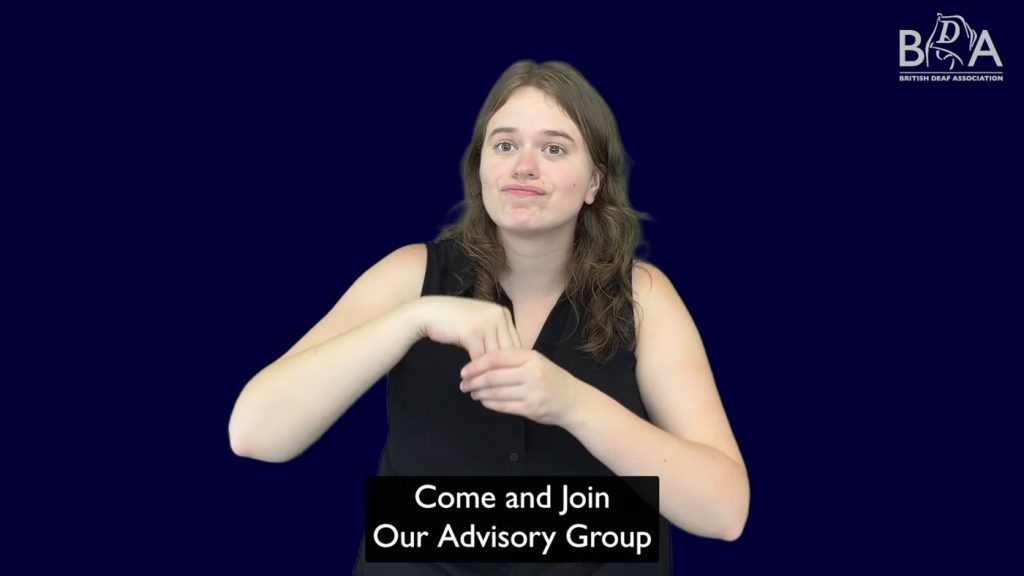
    Join our Deafblind Advisory Group
  • DeafMuseumLogo
    Join our Heritage Steering Group
  • 3YEARSTRAT-Feat-web
    BDA’s new 2026 – 2029 Strategy
British Deaf Association

British Deaf Association

The national voice of Deaf people in the UK. We campaign for equality, celebrate British Sign Language and support Deaf communities to thrive.

Contact us

We welcome your feedback and comments. Please feel free to get in touch.

  • bda@bda.org.uk
  • bda.org.uk

Training & Consultancy

For training and consultancy enquiries, please contact:

  • trainingandconsultancy@bda.org.uk

Useful links

  • Accessibility
  • Privacy Policy
  • Complaints Procedure
  • My Donations
  • Safeguarding
  • Anti-Slavery Policy

Stay updated

Keep up to date with BDA news, campaigns, opportunities and important updates.

Sign up for updates →
Registered with the Fundraising Regulator

© British Deaf Association 2026

Registered charity: England and Wales (1031687) and Scotland (SC042409)

Company No. 2881497 (England and Wales)

BDA Head Office

We welcome your feedback and comments. Please feel free to get in touch:

Email: bda@bda.org.uk

USEFUL LINKS

Accessibility
Privacy Policy
Complaints Procedure
My Donations
Safeguarding

Registered charity - England and Wales (1031687) and Scotland (SC042409) Company No: 2881497 (England and Wales) - Copyright British Deaf Association 2026