



You’ll Never Walk Alone
— in British Sign Language
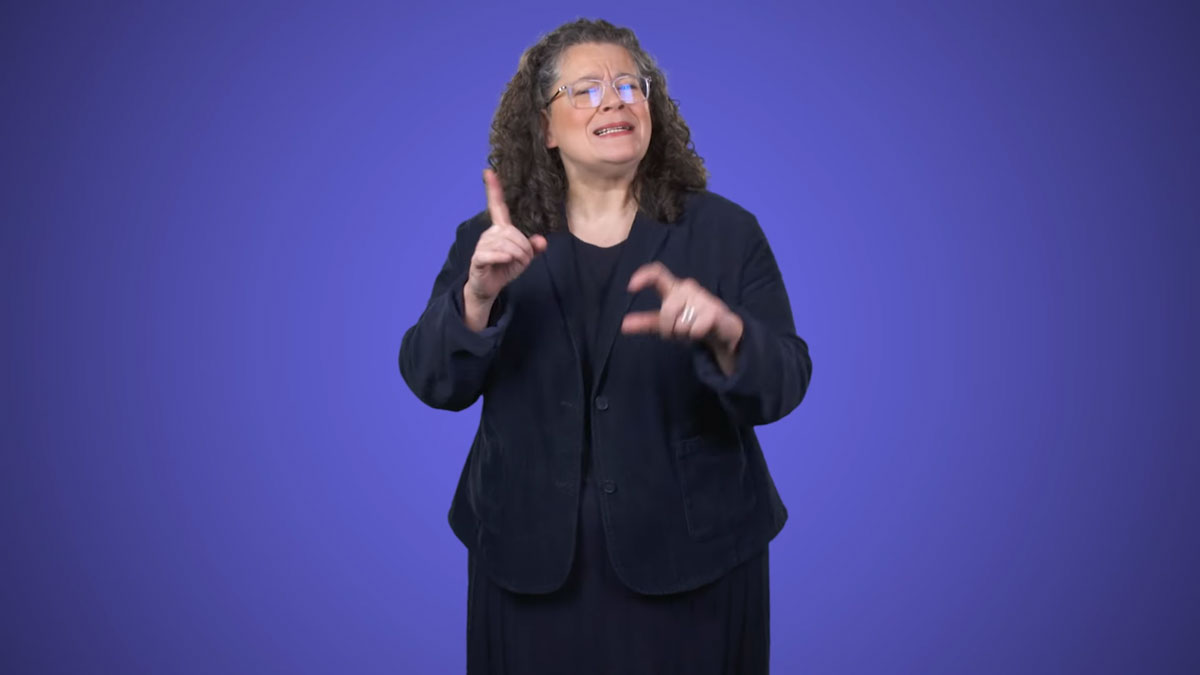
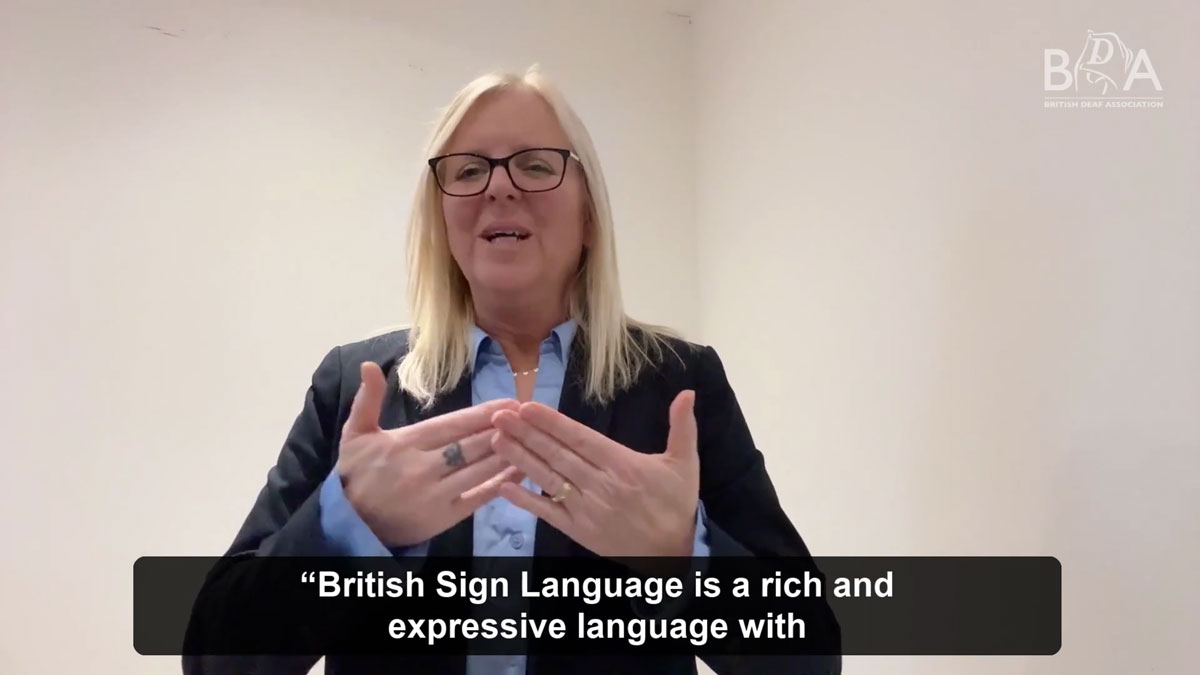
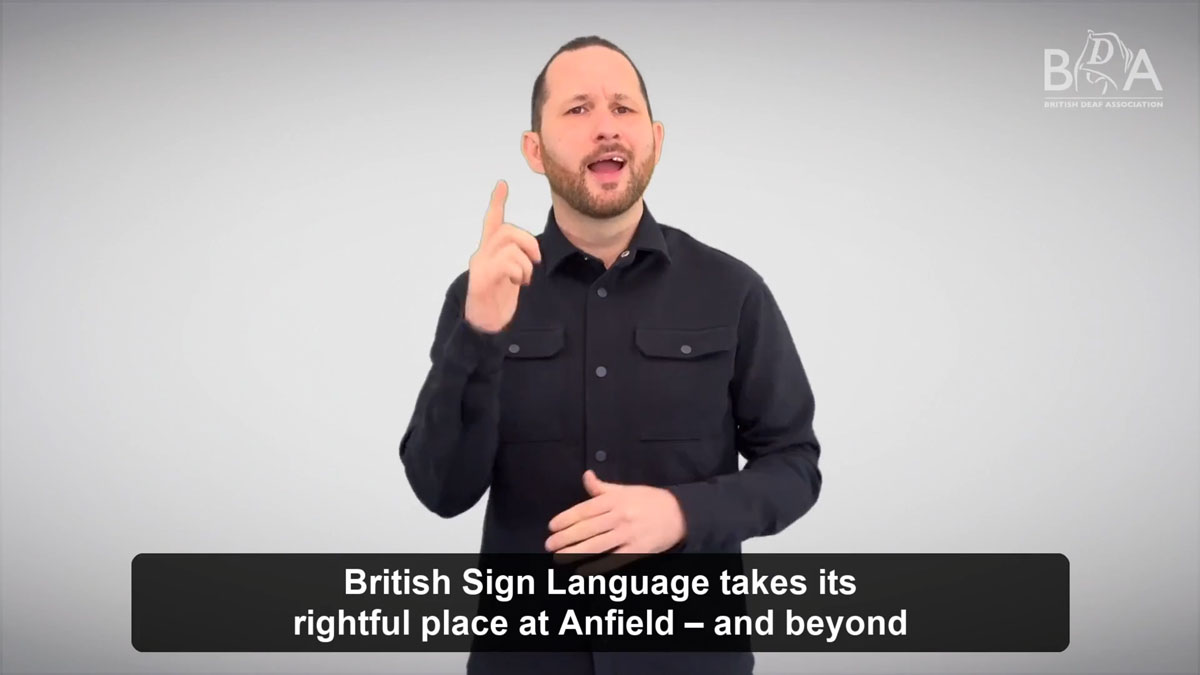
For 135 years, Deaf signers have led, fought, and celebrated their language and culture together. Now, one of football’s most iconic anthems is brought to life in BSL.
Because strength comes from community.
And none of us should ever walk alone.
Sign Songs: Art, Language, and Deaf Cultural Heritage
Sign songs are a recognised art form within Deaf culture, blending language, rhythm, movement, and emotional expression into a uniquely visual performance. They are not simple translations of songs, but creative interpretations that convey meaning through British Sign Language’s grammar, facial expression, body movement, and use of space.
For some people in Deaf communities, sign songs are a way of sharing experiences and expressing identity — particularly in spaces where music has historically excluded Deaf people.
This practice forms part of the Deaf community’s intangible cultural heritage, passed on via performance, storytelling, and community gatherings. Sign songs are often created and refined collectively, reflecting regional language variation, cultural memory, and shared values. To be appropriate, they require deep linguistic knowledge, artistic skill, and cultural sensitivity, particularly when working with songs that hold significant emotional or historical meaning.
For You'll Never Walk Alone, I was really proud to be asked to provide guidance to the Football Fan Council on the development of the signed song. I specialise in interpreting music in ways that are linguistically respectful, emotionally authentic, and culturally grounded. Using regional BSL signs, she helped ensure the signed version reflected local Deaf identity as well as the deeper meaning of the song. Her role was not only to perform, but to guide the artistic and linguistic direction of the work — ensuring that the final result honoured both British Sign Language as a language and sign song as a cultural art form.
The Complexity of Sign Songs in BSL
Sign songs are among the most linguistically and artistically complex forms of BSL expression.
Firstly, songs almost never originate in BSL: they're translations from English, so the signed lyrics are shaped in part to reflect the English source material.
Secondly, unlike everyday conversation, sign songs must synchronise.
They also rely heavily on facial expression and body movement, which are grammatical features of BSL, not decorative additions. In this context, simplifying signs too far risks stripping the song of its emotional and cultural meaning, while over-complexity can make it inaccessible to audiences unfamiliar with BSL.
Balancing these demands required careful artistic judgement and deep linguistic knowledge.