British Deaf Association
  • About us
        • About the BDA

          Deaf-led. Community focused.

          Learn more about who we are, what we stand for and how the British Deaf Association is led.

        • Who we are

          Learn about our purpose, values and the direction that guides the BDA.

        • Who we are
          • What we stand for
          • BDA Manifesto
          • Our Work
          • Strategic Vision
        • Leadership & governance

          Meet the people who lead the BDA and see how our organisation is governed and accountable.

        • Leadership & governance
          • Board
          • Management Team
          • Annual Reviews
          • BDA Youth
        • History & heritage

          Explore the BDA’s history and the heritage of the Deaf community

        • History & community
          • History
          • Deaf Museum
  • What we do
        • What we do

          Our work across the UK

          We campaign for equality, champion BSL and deliver projects and services that support Deaf people and communities across the UK.

        • Campaigns, policy and evidence

          We campaign for change and use evidence to improve the rights of Deaf people.

          • Our campaigns
          • Research and consultations
        • Support, projects and programmes

          Find support and explore BDA work taking place across the UK.

          • Advocacy
          • Projects and programmes
        • Information and resources

          Browse trusted BSL information, guidance and resources on topics that matter to Deaf people.

          • BSL and Deaf culture
          • Health and wellbeing
          • History and heritage
        • Celebrating BSL and Deaf culture

          Explore annual initiatives and celebrations that bring our community together.

          • Sign Language Week
          • National BSL Day
          • International Week of Deaf People
          • BSL Poet Laureate
  • News & events
        • Latest news

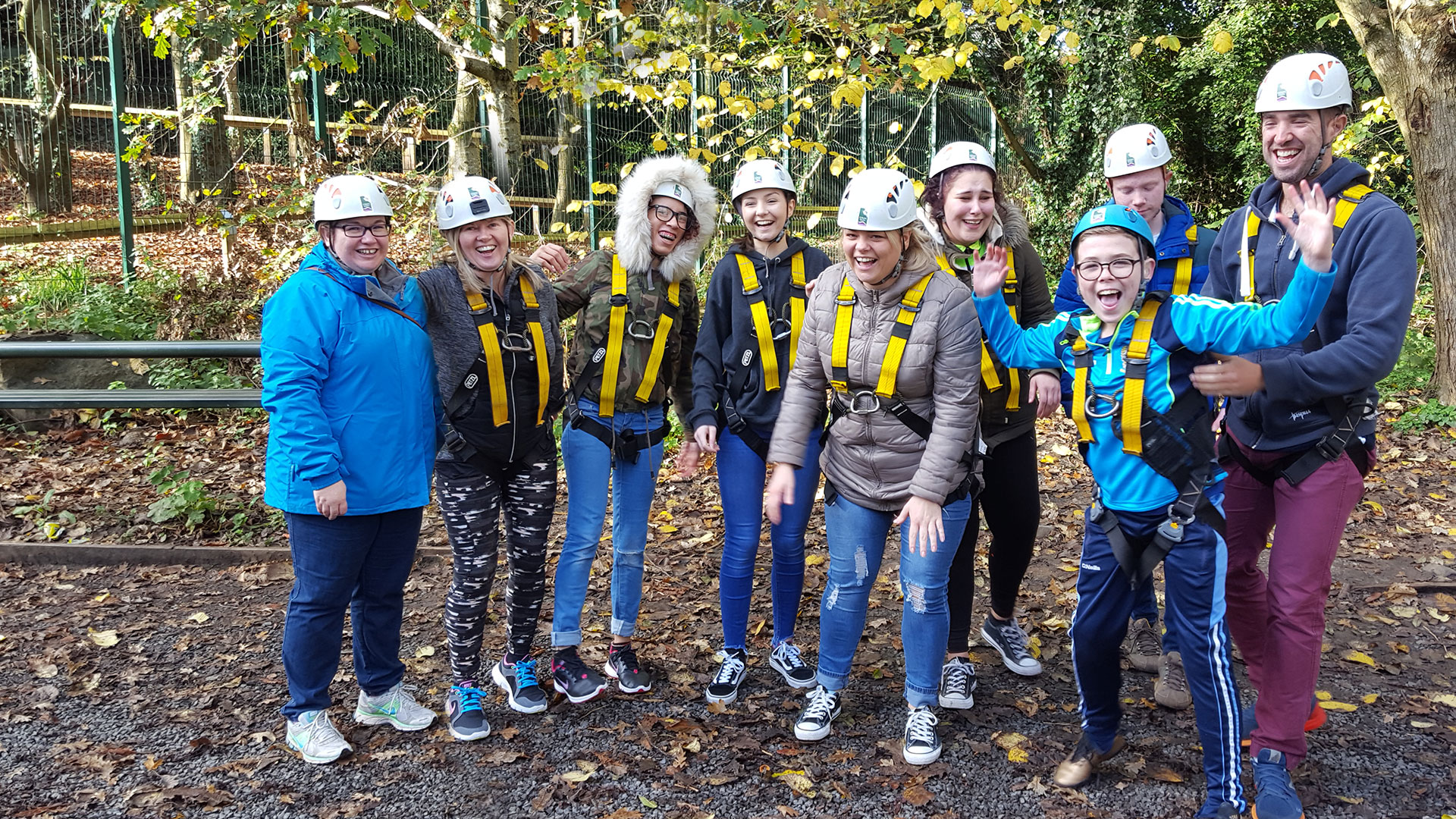
          Take the Leap for BDA Youth: Skydive Fundraiser 2026 Members of the BDA Youth Committee, BDA staff and supporters are taking to the skies to raise funds… 31 July 2026
          BDA responds to PM’s social care announcement The BDA welcomes the focus on social care and hopes the upcoming Big Conversation on Care will meaningfully… 30 July 2026
          Join our Deafblind Advisory Group The British Deaf Association (BDA) is looking for Deafblind people from across the United Kingdom to help shape… 25 June 2026

          All news →

        • Explore

          More news, organisations and places to discover.

          • British Deaf News
          • World Federation of the Deaf
          • European Union of the Deaf
          • SHARE: The Deaf Visual Archive
          • Sign Language Week
  • Get involved
        • Support us

          Help make a difference

          Support the BDA through donations, fundraising and other ways to give.

          Make a difference Make a donation and help support the BDA’s work with Deaf people and communities across the UK. Fundraise for the BDA Take on a challenge or organise your own fundraiser to help raise money for the BDA.
        • More ways to support
          • In-Memoriam Donations
          • Gifts in Wills
          • How we fundraise
        • Join us

          Work with us or become part of the BDA community.

          Current Job Opportunities See current vacancies and opportunities to work with the BDA. → Become a Member Join the BDA and be part of our community. →

          Stay connected

          Keep up with BDA news, campaigns and opportunities.

          Newsletter Sign up for BDA news, campaigns and important updates. →
  • Training & Consultancy
  • Contact
        • Get in touch

          How can we help?

          For general enquiries, use our online contact form and we’ll help make sure your message reaches the right BDA team.

          Contact us Send us a message using our online form. →
        • Follow us
          • X
          • Facebook
          • Facebook – British Deaf News
          • Instagram
          • LinkedIn
          • YouTube
        • Our offices

          Find your local BDA team

          Find contact details for BDA offices and teams across the UK.

          Head Office London → England Derby → Northern Ireland Belfast → Scotland Glasgow → Wales Cardiff → Deaf Museum Manchester →
  • Membership
  • Safeguarding
  • Donate
    • About us
          • About the BDA

            Deaf-led. Community focused.

            Learn more about who we are, what we stand for and how the British Deaf Association is led.

          • Who we are

            Learn about our purpose, values and the direction that guides the BDA.

          • Who we are
            • What we stand for
            • BDA Manifesto
            • Our Work
            • Strategic Vision
          • Leadership & governance

            Meet the people who lead the BDA and see how our organisation is governed and accountable.

          • Leadership & governance
            • Board
            • Management Team
            • Annual Reviews
            • BDA Youth
          • History & heritage

            Explore the BDA’s history and the heritage of the Deaf community

          • History & community
            • History
            • Deaf Museum
    • What we do
          • What we do

            Our work across the UK

            We campaign for equality, champion BSL and deliver projects and services that support Deaf people and communities across the UK.

          • Campaigns, policy and evidence

            We campaign for change and use evidence to improve the rights of Deaf people.

            • Our campaigns
            • Research and consultations
          • Support, projects and programmes

            Find support and explore BDA work taking place across the UK.

            • Advocacy
            • Projects and programmes
          • Information and resources

            Browse trusted BSL information, guidance and resources on topics that matter to Deaf people.

            • BSL and Deaf culture
            • Health and wellbeing
            • History and heritage
          • Celebrating BSL and Deaf culture

            Explore annual initiatives and celebrations that bring our community together.

            • Sign Language Week
            • National BSL Day
            • International Week of Deaf People
            • BSL Poet Laureate
    • News & events
          • Latest news

            Take the Leap for BDA Youth: Skydive Fundraiser 2026 Members of the BDA Youth Committee, BDA staff and supporters are taking to the skies to raise funds… 31 July 2026
            BDA responds to PM’s social care announcement The BDA welcomes the focus on social care and hopes the upcoming Big Conversation on Care will meaningfully… 30 July 2026
            Join our Deafblind Advisory Group The British Deaf Association (BDA) is looking for Deafblind people from across the United Kingdom to help shape… 25 June 2026

            All news →

          • Explore

            More news, organisations and places to discover.

            • British Deaf News
            • World Federation of the Deaf
            • European Union of the Deaf
            • SHARE: The Deaf Visual Archive
            • Sign Language Week
    • Get involved
          • Support us

            Help make a difference

            Support the BDA through donations, fundraising and other ways to give.

            Make a difference Make a donation and help support the BDA’s work with Deaf people and communities across the UK. Fundraise for the BDA Take on a challenge or organise your own fundraiser to help raise money for the BDA.
          • More ways to support
            • In-Memoriam Donations
            • Gifts in Wills
            • How we fundraise
          • Join us

            Work with us or become part of the BDA community.

            Current Job Opportunities See current vacancies and opportunities to work with the BDA. → Become a Member Join the BDA and be part of our community. →

            Stay connected

            Keep up with BDA news, campaigns and opportunities.

            Newsletter Sign up for BDA news, campaigns and important updates. →
    • Training & Consultancy
    • Contact
          • Get in touch

            How can we help?

            For general enquiries, use our online contact form and we’ll help make sure your message reaches the right BDA team.

            Contact us Send us a message using our online form. →
          • Follow us
            • X
            • Facebook
            • Facebook – British Deaf News
            • Instagram
            • LinkedIn
            • YouTube
          • Our offices

            Find your local BDA team

            Find contact details for BDA offices and teams across the UK.

            Head Office London → England Derby → Northern Ireland Belfast → Scotland Glasgow → Wales Cardiff → Deaf Museum Manchester →
    • Membership
    • Safeguarding
    • Donate

News

16th June 2016

Health – M.N.D. = Motor Neurone Disease

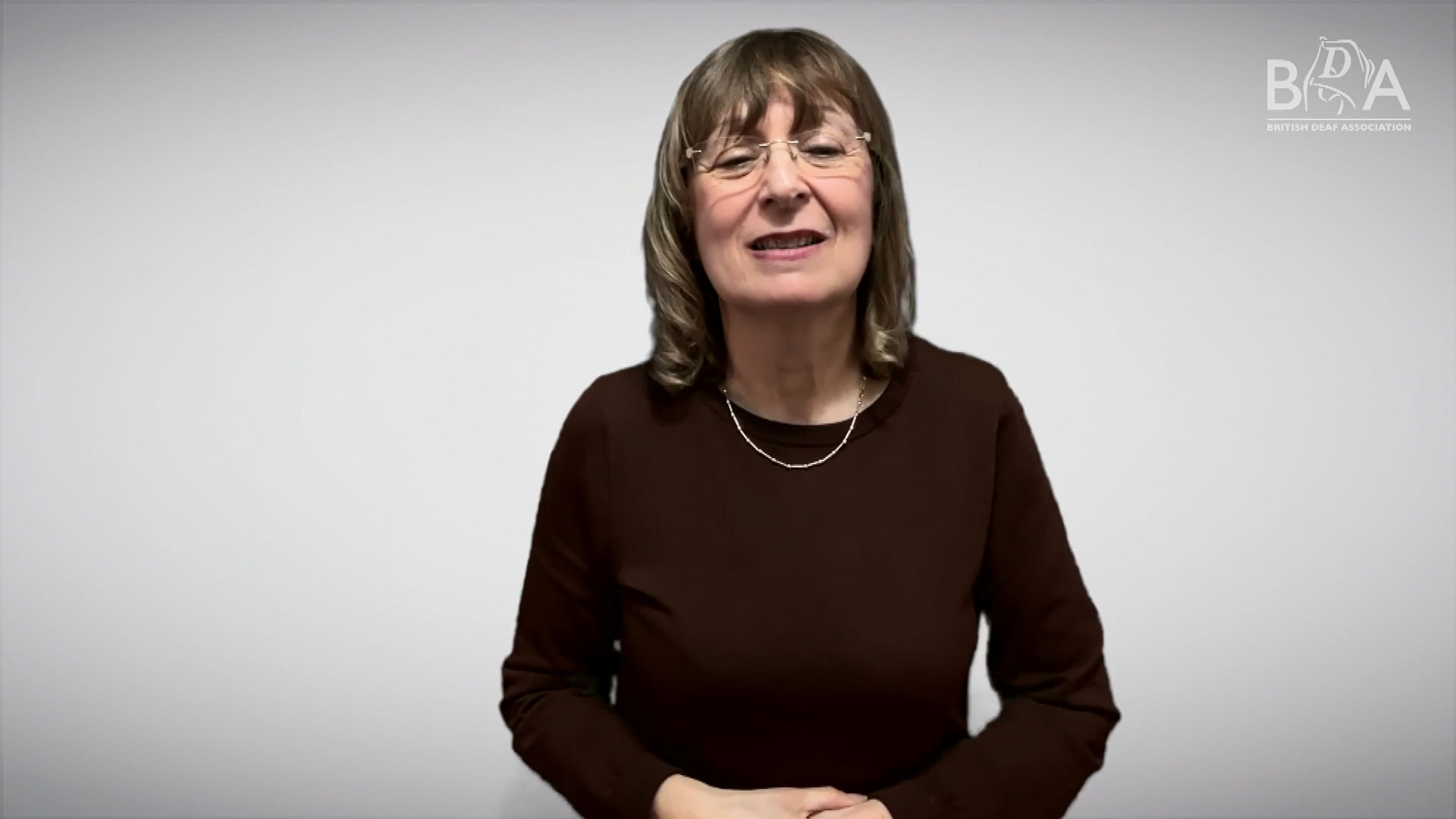
Vimeo Video https://www.vimeo.com/170453482

Introduction

Motor Neurone Disease (MND) is a rare condition that progressively damages parts of the nervous system. This leads to muscle weakness, often with visible wasting.

Motor neurone disease, also known as amyotrophic lateral sclerosis (ALS), occurs when specialist nerve cells in the brain and spinal cord called motor neurones stop working properly. This is known as neurodegeneration.

Motor neurones control important muscle activity, such as:

  • gripping
  • walking
  • speaking
  • swallowing
  • breathing

As the condition progresses, people with motor neurone disease will find some or all of these activities increasingly difficult. Eventually, they may become impossible.

It’s not clear what causes motor neurones to stop working properly. In about 5% of cases there’s a family history of either motor neurone disease or a related condition called front temporal dementia. This is known as familial motor neurone disease. In most of these cases, faulty genes have been identified as making a major contribution to the development of the condition.

There’s no single test to diagnose motor neurone disease and diagnosis is based mainly on the opinion of a brain and nervous system specialist (a neurologist). The diagnosis of motor neurone disease is usually clear to an experienced neurologist, but sometimes specialised tests are needed to rule out other conditions with similar features.

Read more about the causes of motor neurone disease and diagnosing motor neurone disease.


Progression of symptoms

The symptoms of motor neurone disease begin gradually over weeks and months, usually on one side of the body initially, and get progressively worse.  

Common early symptoms include:

  • a weakened grip, which can cause difficulty picking up or holding objects
  • weakness at the shoulder that makes lifting the arm difficult
  • a “foot drop” caused by weak ankle muscles dragging of the leg
  • slurred speech (dysarthria)

The condition isn’t usually painful.

As damage progresses, symptoms spread to other parts of the body and the condition becomes more debilitating.

Eventually, a person with motor neurone disease may be unable to move. Communicating, swallowing and breathing may also become very difficult.

In up to 15% of cases, motor neurone disease is associated with a type of dementia that can affect personality and behaviour. This is called front temporal dementia, and is often an early feature when it occurs in motor neurone disease. The affected person may not realise that their personality or behaviour is different.


Who’s affected by motor neurone disease?

Motor neurone disease is a rare condition that affects around two in every 100,000 people in the UK each year. There are about 5,000 people living with the condition in the UK at any one time.

The condition can affect adults of all ages, including teenagers, although this is extremely rare. It’s usually diagnosed in people over 40, but most people with the condition first develop symptoms in their 60s. It affects slightly more men than women.


Treating motor neurone disease

There’s currently no cure for motor neurone disease. Treatment aims to:

  • Make the person feel comfortable and have the best quality of life possible
  • Compensate for the progressive loss of bodily functions such as mobility, communication, swallowing and breathing
  • For example, a breathing mask can greatly help the symptoms of breathing and weakness, and a feeding tube (called a gastrostomy) helps maintain nutrition and overall comfort. If necessary, medication can be used to help control excessive drooling.
  • A medication called riluzole has shown a very small improvement in patients’ overall survival, but it isn’t a cure and doesn’t stop the condition progressing.


Survival rates

Motor neurone disease is a severely life-shortening condition for most people. Life expectancy for about half of those with the condition is three years from the start of symptoms. However, some people may live for up to 10 years, and in rarer circumstances even longer.

Living with motor neurone disease is extremely challenging and often a terrifying possibility before the diagnosis is made. However, it’s not necessarily as bleak as people imagine.

With strong community and specialist support, many people can maintain some independence for a significant part of the condition’s course, and experience a quality of life they may not have imagined was possible at the time of their diagnosis.

The end of life for someone with motor neurone disease isn’t usually distressing and is most often in their own home. In most cases, a person with the condition will die in their sleep as the end stage of gradual weakness in their breathing muscles. Although some people with the condition will have swallowing problems, they won’t choke to death.


Advice and support

The Motor Neurone Disease Association (MNDA) is the leading UK charity for people affected by the condition.

The MNDA can give you information, practical advice and support about living with motor neurone disease and coping with the emotional impact of being diagnosed.


<< Return to Heath and well-being page
 

Health Scotland
Previous StoryQualified Teacher of the Deaf – Emmbrook Schools
Next StoryPolice raise awareness of internet safety amongst Derby’s Deaf Community

Related Articles

  • BDA-Press-Release-12th-April-2023-feat-WEB
    BDA Condemns “life-threatening communication failures” in NHS
    View Details
  • DRP-Scotland-Vet-Workshops-feat-web
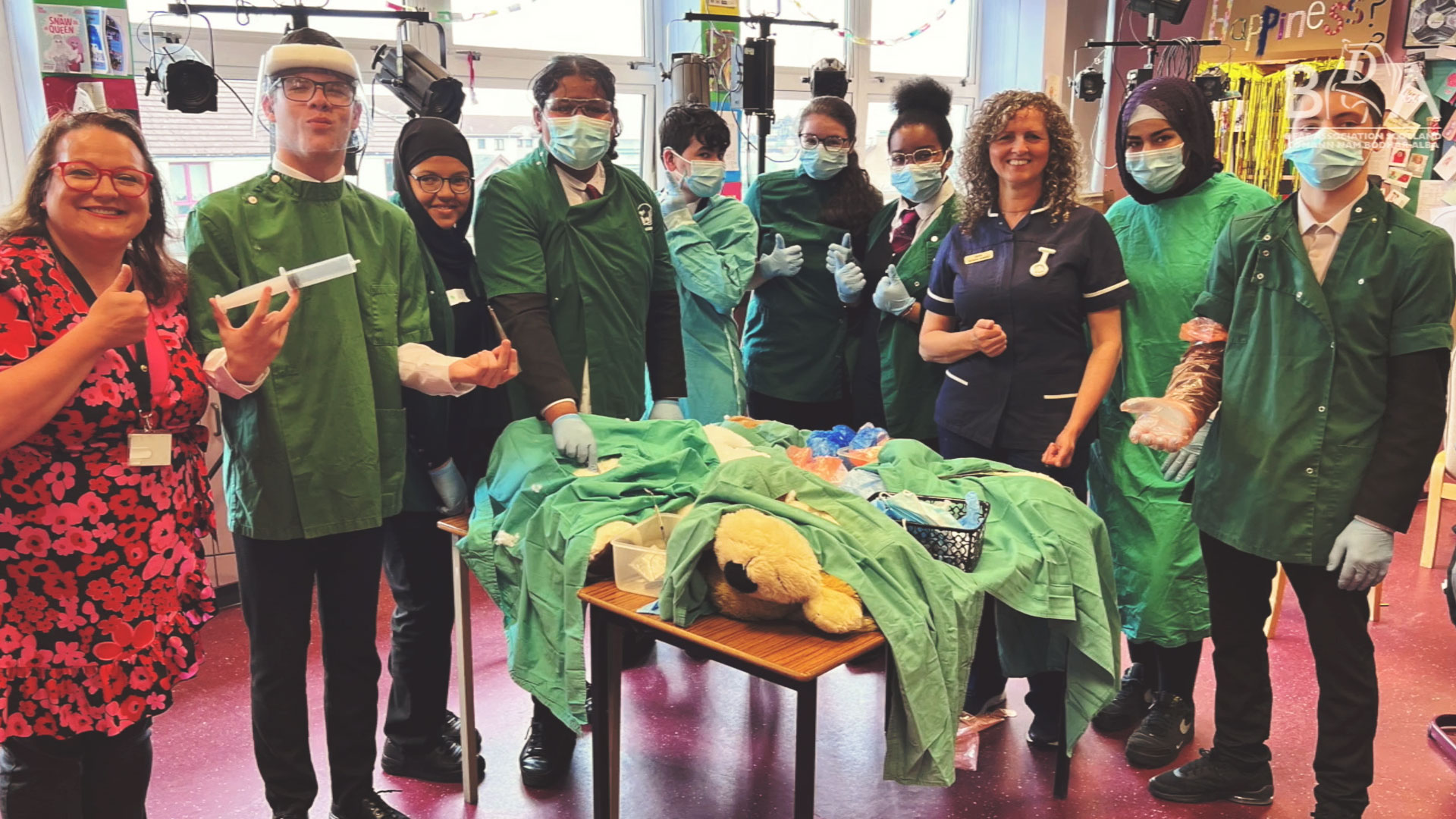
    DRP Scotland: Vet Workshops
    View Details

SEARCH ALL NEWS

NEWS CATEGORIES

All News
England
Northern Ireland
Scotland
Wales

RECENT NEWS

  • BDA-Youth-Skydive-square-web2
    Take the Leap for BDA Youth: Skydive Fundraiser 2026
  • 500px-10_Downing_Street._MOD_45155532-1134449270
    BDA responds to PM’s social care announcement
  • DB-Advisory-Group-feat-26-web
    Join our Deafblind Advisory Group
  • DeafMuseumLogo
    Join our Heritage Steering Group
  • 3YEARSTRAT-Feat-web
    BDA’s new 2026 – 2029 Strategy
British Deaf Association

British Deaf Association

The national voice of Deaf people in the UK. We campaign for equality, celebrate British Sign Language and support Deaf communities to thrive.

Contact us

We welcome your feedback and comments. Please feel free to get in touch.

  • bda@bda.org.uk
  • bda.org.uk

Training & Consultancy

For training and consultancy enquiries, please contact:

  • trainingandconsultancy@bda.org.uk

Useful links

  • Accessibility
  • Privacy Policy
  • Complaints Procedure
  • My Donations
  • Safeguarding
  • Anti-Slavery Policy

Stay updated

Keep up to date with BDA news, campaigns, opportunities and important updates.

Sign up for updates →
Registered with the Fundraising Regulator

© British Deaf Association 2026

Registered charity: England and Wales (1031687) and Scotland (SC042409)

Company No. 2881497 (England and Wales)

BDA Head Office

We welcome your feedback and comments. Please feel free to get in touch:

Email: bda@bda.org.uk

USEFUL LINKS

Accessibility
Privacy Policy
Complaints Procedure
My Donations
Safeguarding

Registered charity - England and Wales (1031687) and Scotland (SC042409) Company No: 2881497 (England and Wales) - Copyright British Deaf Association 2026